Guide for organizers
Event mobility management
Planning an event's mobility is one thing; managing it while the event is actually happening is a very different one. The plan defines what should happen — management is what makes it happen for real, unexpected issues included.
The more dates or days an event runs, the more the gap shows between a well-written plan and management that actually works on the ground.

What managing event mobility day to day actually involves
Managing mobility means making real-time decisions about something the plan can only approximate: how many people are arriving in each time slot, which access point is getting saturated, whether parking filled up earlier than expected, and what to do with the cars that arrive after that.
It's especially demanding for multi-date or multi-day events (a concert residency, a multi-day festival, a trade fair): each date can behave differently depending on the day of the week, the weather, or word of mouth from earlier dates, so management can't be "the same recipe" for all of them.
Coordinating access points, parking and shared transport
The three fronts of an event's mobility are rarely managed by a single team, but if they aren't coordinated with each other, problems just move from one to the next: a poorly signposted access point pushes traffic toward the wrong parking area; a parking area that fills up early pushes cars into unauthorised spots nearby.
Shared transport adds a variable that, managed well, eases the other two: every shared car is one less parking space to fill and one less vehicle at the access point. That's why whoever manages access and parking should have visibility into how many people are arriving by shared car, rather than it being an isolated number in another tool.
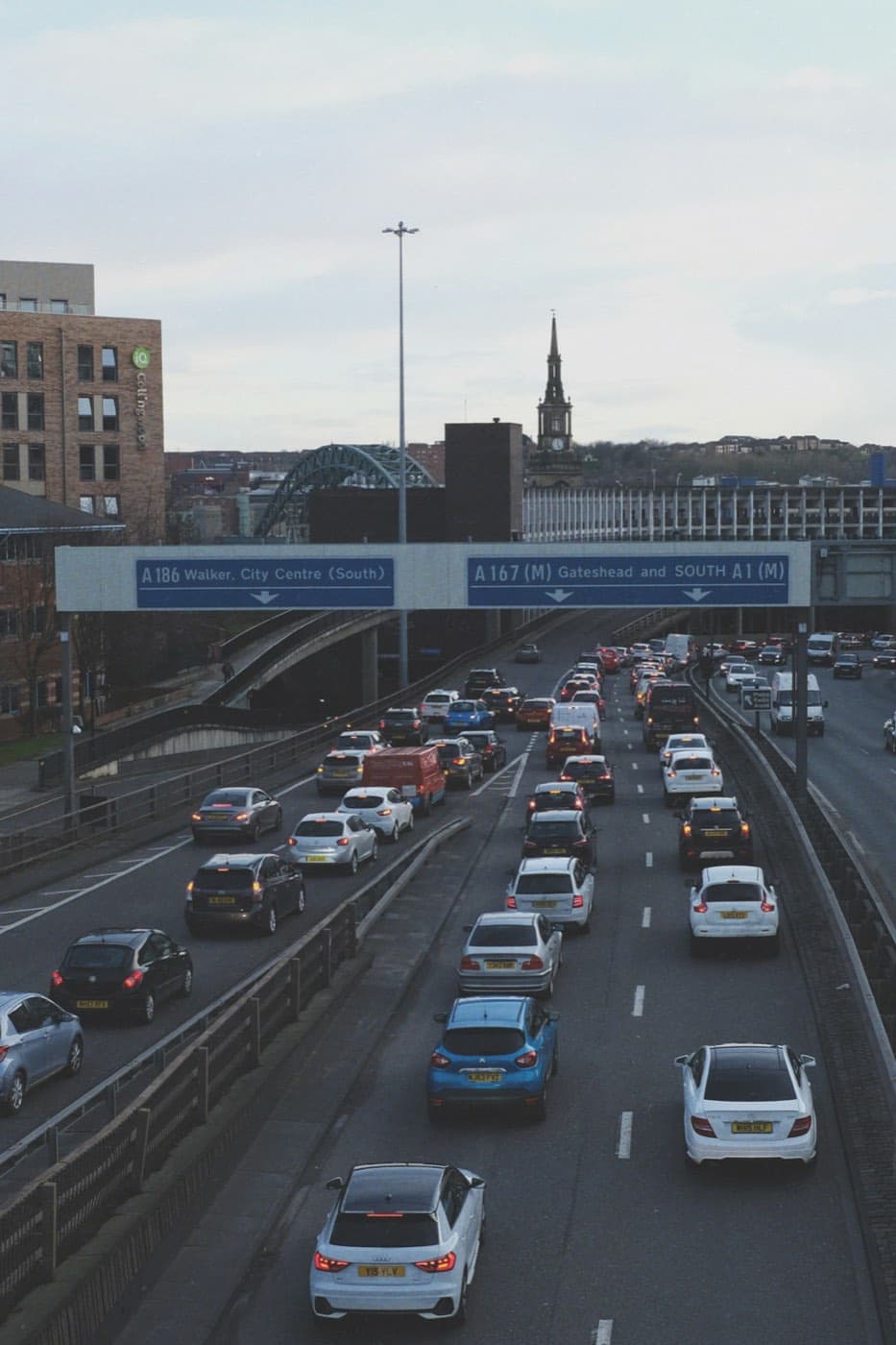
Data and tools for managing mobility in real time
The difference between reacting in time and reacting too late usually comes down to whether the management team has up-to-date data or only estimates made weeks earlier.
The data that actually helps during the event is small but specific: how much carpooling has been activated and how it's trending date over date, the time slots with highest transport demand, and the audience's geographic origin (to anticipate which access points or roads will see more traffic).
For multi-date events, one date's data is the best management tool for the next: if date 3 had a spike of cars at 8:30 PM at a specific access point, that should be used to adjust signage or staffing before date 4 — not after.
How VIB3S fits into managing an event's mobility
VIB3S doesn't manage your access points or your parking directly, but it does manage the carpooling side, and gives you that data so it can feed into the bigger decision: how many people are arriving by shared car, in which time slots and from which origins.
For the organising team, that's one less variable to manage by hand: the carpooling community runs on support, payments and trip coordination already handled by VIB3S, and it only takes checking the dashboard to fold that data into each date's access and parking decisions.
Event types
VIB3S adapts to your type of event
The same mobility and community solution, adapted to the real problem of each sector. Pick yours to see its specific case.
Need support managing your event's mobility?
We'll show you how carpooling fits into your access and parking operations, date by date.