Guide for organizers
Sustainable event mobility
At most events, attendee transport to the venue weighs more in the total carbon footprint than the event's own energy use, catering and waste combined.
Sustainable mobility isn't just a line for the ESG report: it's the biggest lever an organiser has to cut their event's real impact, precisely because it's the biggest part of the problem.
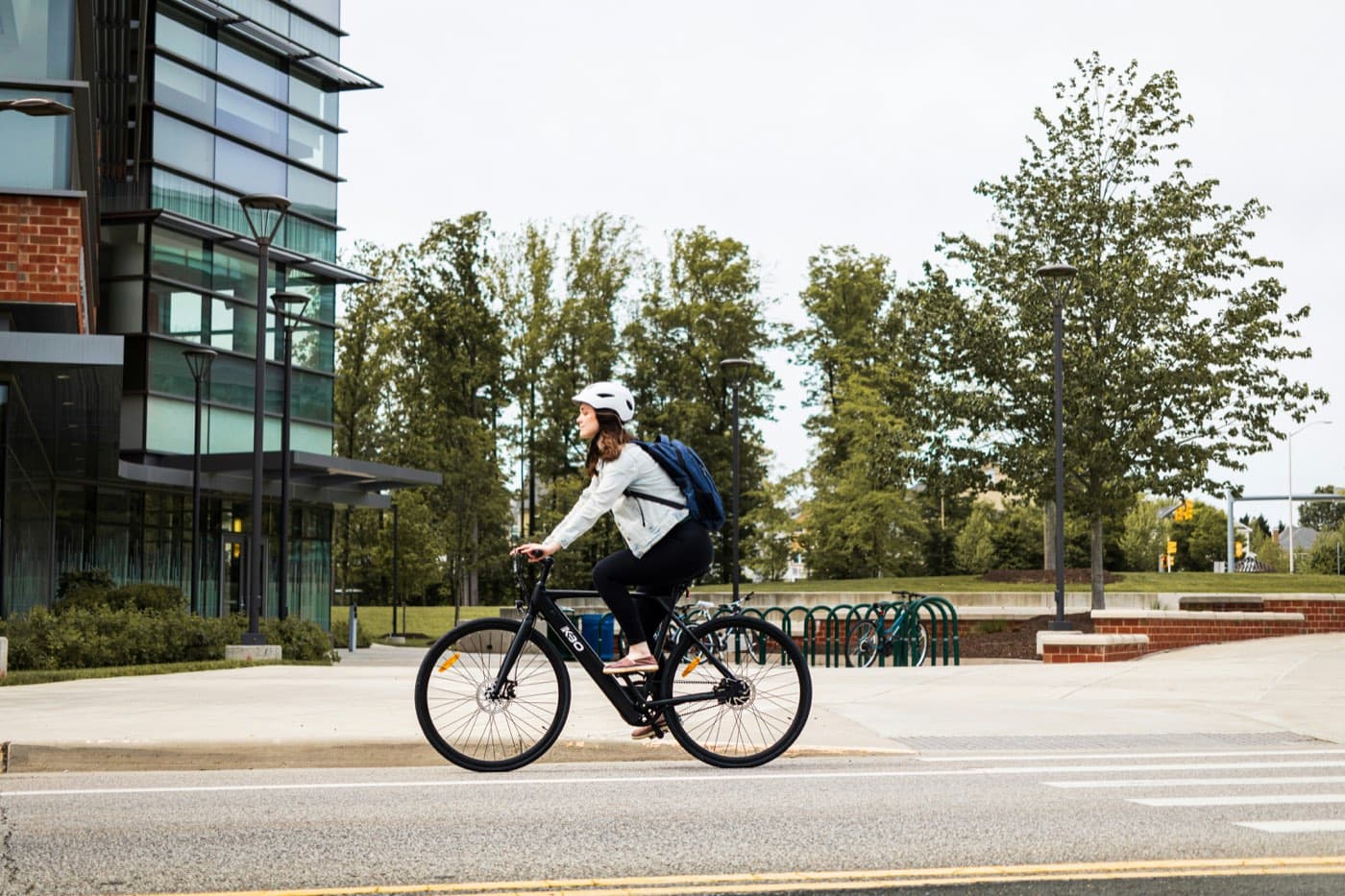
What sustainable mobility means applied to events
Applied to an event, sustainable mobility means reducing the emissions and local pressure caused by moving thousands of people to the same point at the same hours — without relying solely on each attendee deciding, on their own, to be more sustainable.
In practice it comes down to three levers: fewer cars on the road (higher occupancy per vehicle), more use of public or collective transport, and better information so attendees pick the most efficient option before deciding how they'll arrive.
Levers to reduce the impact of your audience's transport
Not every sustainability lever has the same cost or the same real effect. The ones with the most impact on attendee transport are:
- Raising average vehicle occupancy (carpooling): the fastest lever to activate, and the only one that doesn't depend on new infrastructure or council investment.
- Reinforcing existing public transport with shuttles at peak-demand time slots, rather than replacing it entirely.
- Communicating transport options early, not just the day before: whoever decides their transport mode in advance has more real options than whoever decides it on the way to the venue.
- Actually measuring impact (shared kilometres, cars avoided, CO₂ reduced) instead of estimating it generically — without that data there's no way to know whether a measure actually worked.
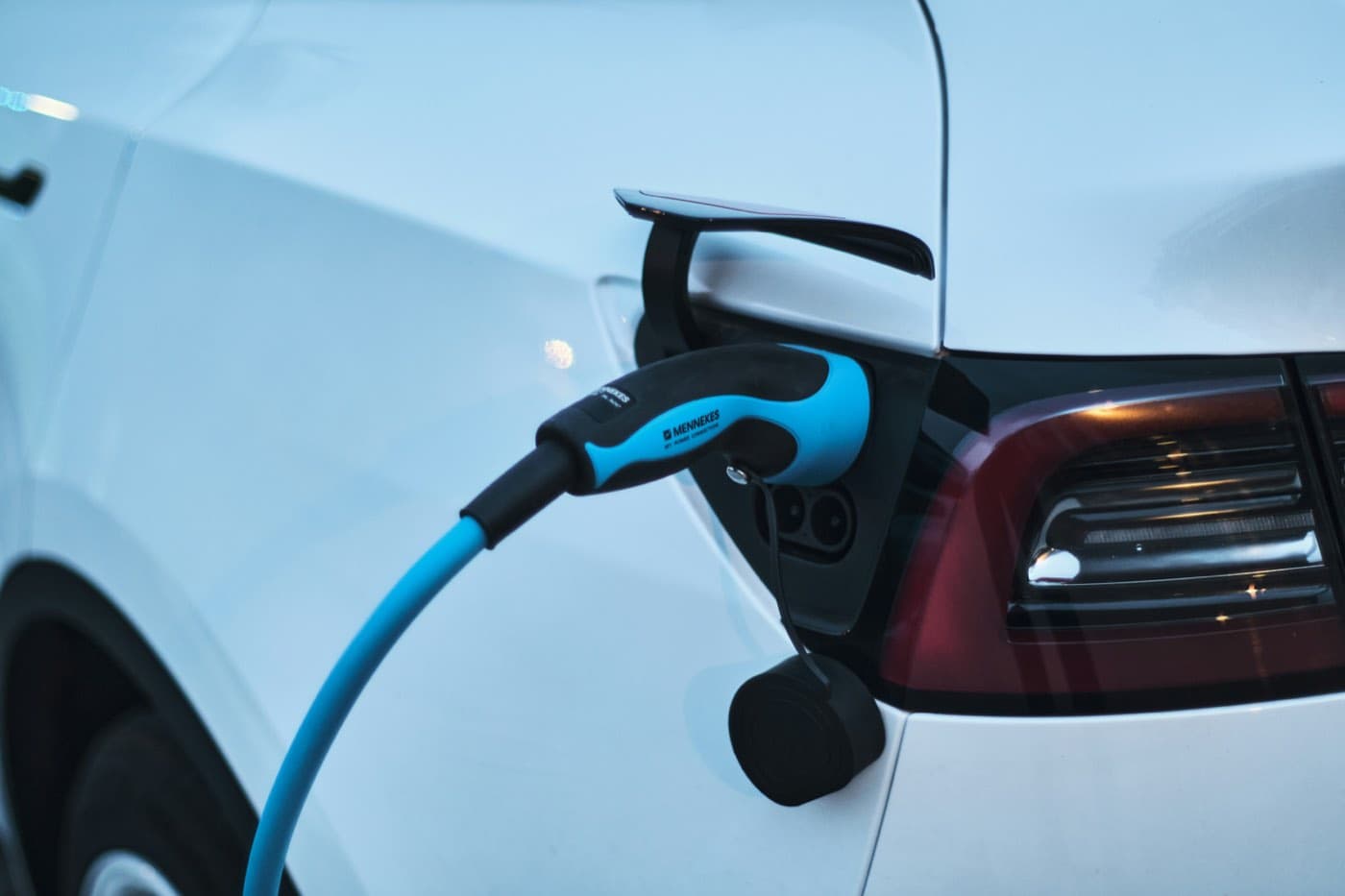
Shared mobility as a sustainability lever
Carpooling cuts emissions without asking attendees to give up the convenience of a car: they still arrive by car, but share the seat with other people heading to the same event from their same area.
That's why it tends to get adopted faster than sustainability measures that require a full habit change (leaving the car at home, relying only on public transport): it asks for a small adjustment — sharing the ride — in exchange for a direct saving on fuel and parking for the attendee themselves, so adoption doesn't rely purely on each person's environmental awareness.
How to measure and report your sustainable mobility progress
A sustainability measure that isn't measured is hard to defend to a sponsor, a city council, or in the event's own sustainability report.
The indicators that actually work for reporting progress are concrete: shared kilometres, number of cars avoided around the venue, and CO₂ avoided from shared transport versus everyone travelling on their own. Comparing those numbers edition over edition is what proves real improvement, not just intent.
Event types
VIB3S adapts to your type of event
The same mobility and community solution, adapted to the real problem of each sector. Pick yours to see its specific case.
Want to measure and reduce your event's impact?
We'll show you what sustainable mobility data you can get from your very first date.